Luxury Custom Home Building Guide Choosing the Right Builder, Budget, Design, and Timeline

Building a luxury custom home is one of the most personal projects you can take on. The finished home may look effortless, but getting there takes clear decisions, strong planning, and the right professional team.
A luxury home is not just a larger house with nicer finishes. It is a home designed around how you live, entertain, recharge, work, cook, travel, collect, and gather. That level of fit can be worth the investment, but only when the process is managed with care from the first conversation to the final walkthrough.
This guide explains what to expect before you build, including how to choose a luxury custom home builder, how budgets work, what happens during design, how long construction may take, and how to approach interior selections without losing sight of the bigger picture.

Is a custom home right for you
A custom home is the right fit when the standard options on the market do not match the way you want to live.
That might mean you need a private guest wing, a chef-level kitchen, a wellness suite, a garage built for a car collection, or a quiet office with acoustic separation. It may also mean you care deeply about the lot, the views, the materials, the floor plan, and the small details that make daily routines easier.
Custom luxury homes make the most sense when you value control and are prepared to make decisions. The process is rewarding, but it is not passive. You will review plans, approve finishes, talk through tradeoffs, and make choices that affect cost, schedule, and long-term comfort.
A custom home may be a strong fit if you want:
A floor plan designed around your lifestyle
Higher-quality materials and craftsmanship
Control over architectural style and room flow
Outdoor living spaces tailored to the property
Energy, lighting, and smart home systems planned from the start
A long-term home rather than a short-term resale purchase
It may not be the best path if you need to move quickly, dislike making detailed decisions, or expect a fixed price before the design is defined. A custom build rewards preparation. The more clearly you understand your priorities, the smoother the process becomes.
Choosing the right luxury custom home builder
The builder shapes the experience as much as the architect or designer. A great builder does more than coordinate labor and materials. They protect the budget, translate plans into real construction, anticipate problems, and hold quality standards when no one else is watching.
When comparing builders, look beyond polished photos. Finished images matter, but they do not tell the full story. Ask about process, communication, estimating, project supervision, warranty support, and trade relationships.
A strong luxury custom home builder should be able to explain:
How they estimate costs before and after design
How they manage allowances and change orders
Who supervises the job site day to day
How often clients receive updates
How they document decisions
How they handle quality control
What happens after move-in if issues come up
You also want compatibility. The building process can last many months, sometimes longer for large or complex homes. Trust and communication matter. If early conversations feel rushed, vague, or dismissive, that is a warning sign.
The best builder is not always the one who says yes to everything. It is the one who explains the real cost, schedule, and construction impact of each decision.
Search phrases like Luxury Custom Home Custom Homebuilder Construction may help you start your research, but the real work is in the interviews. Ask detailed questions. Request references from recent clients. Visit completed homes if possible. Look for craftsmanship, but also ask those clients how the builder handled pressure when plans changed or lead times shifted.
Understanding budget expectations before design begins
Luxury custom home budgets are shaped by more than square footage. Size matters, but complexity often matters more. A smaller home with detailed stonework, large glass openings, custom millwork, imported tile, and advanced mechanical systems can cost more than a larger home with simpler construction.
Early budgeting should include the full project, not just the house shell. Many first-time custom home clients focus on construction cost and overlook the pieces around it.
Budget category | What it may include |
Land and site work | Lot purchase, grading, utilities, access, drainage, retaining walls |
Design and engineering | Architecture, interior design, structural engineering, civil planning |
Permits and approvals | Municipality fees, plan review, inspections, neighborhood approvals |
Construction | Foundation, framing, roofing, systems, finishes, labor |
Interior selections | Cabinets, countertops, tile, flooring, lighting, plumbing fixtures |
Exterior spaces | Pools, patios, outdoor kitchens, landscaping, irrigation |
Contingency | Unplanned conditions, upgrades, scope changes |
A responsible builder will talk about ranges early, then refine the estimate as plans and selections become clearer. Be cautious with any number that sounds too simple too soon. Before drawings, engineering, and finish expectations are known, a budget is only a planning guide.
Allowances deserve special attention. An allowance is a placeholder for an item that has not been selected yet, such as appliances, tile, lighting, or plumbing fixtures. If allowances are too low, the budget may look attractive at first and grow later. A trustworthy builder will set realistic allowances based on the level of home you are planning.
A healthy contingency is also part of a smart budget. Even with careful planning, custom home construction can uncover unknowns, especially on challenging lots. Rock, soils, drainage, utility runs, and material changes can affect cost. A contingency gives the project breathing room without turning every surprise into a crisis.
The design process sets the foundation for everything
The design phase is where ideas become instructions. It is also where the most valuable budget decisions happen.
A typical luxury home building process begins with discovery. The builder, architect, and sometimes interior designer learn how the home needs to function. This includes room needs, site goals, views, privacy, parking, storage, entertaining style, and future plans.
From there, the design usually moves through several stages.
Concept planning gives the home its shape
Concept plans define the big ideas. These may include the home’s placement on the lot, overall style, floor plan, major room relationships, and indoor-outdoor connections.
At this stage, it helps to separate priorities from preferences. A priority might be a main-level primary suite. A preference might be a certain ceiling detail. Both matter, but they do not carry the same weight when budget or site limits appear.
Design development brings the details into focus
Once the main direction is approved, the team refines the plan. Windows, rooflines, structural systems, exterior materials, room sizes, and major interior features become more specific.
This is where builder input becomes especially useful. A builder can flag cost and construction concerns before drawings are complete. For example, a wall of glass may be possible, but it may affect structural steel, energy requirements, lead times, and installation cost.
Construction documents make the home buildable
Construction documents are the detailed drawings and specifications used for permits, pricing, and building. They guide the trades and reduce assumptions on site.
Clear documents reduce conflict. They do not eliminate every question, but they give the team a better roadmap. For a high-end home, vague plans can become expensive fast.
What to expect during the construction timeline
No two custom homes follow the exact same timeline. Lot conditions, home size, design complexity, permitting, weather, and material availability all play a role. Still, most projects move through a familiar sequence.
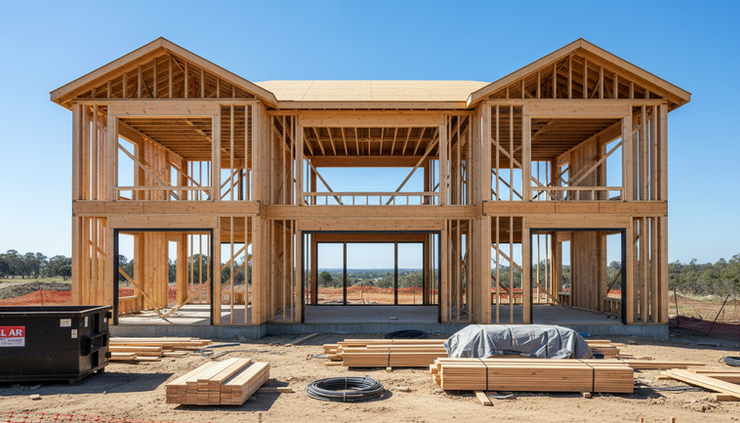
The early stage includes site preparation, excavation, foundation work, and utility planning. This phase can feel slow because much of the work happens below grade, but it sets the tone for the rest of the build.
Framing changes the experience. The home suddenly has shape. Rooms become visible. Window openings reveal views. This is often when owners feel the project becoming real.
After framing, the mechanical, electrical, and plumbing systems go in. This stage includes wiring, ductwork, pipes, low-voltage systems, insulation planning, and inspections. It is less visually exciting, but it affects daily comfort for years.
Drywall, trim, cabinetry, tile, stone, flooring, painting, and fixtures follow. This is when the home starts to look close to finished, but it is also when detailed coordination matters most. Many trades work in sequence, and one late item can affect several others.
If the builder also acts as a construction management contractor, clarify what that role includes. Some firms manage the entire project, including bidding, scheduling, trade coordination, and cost reporting. Others focus mainly on building after design is complete. The scope should be clear before contracts are signed.
Interior selections shape how the home feels every day
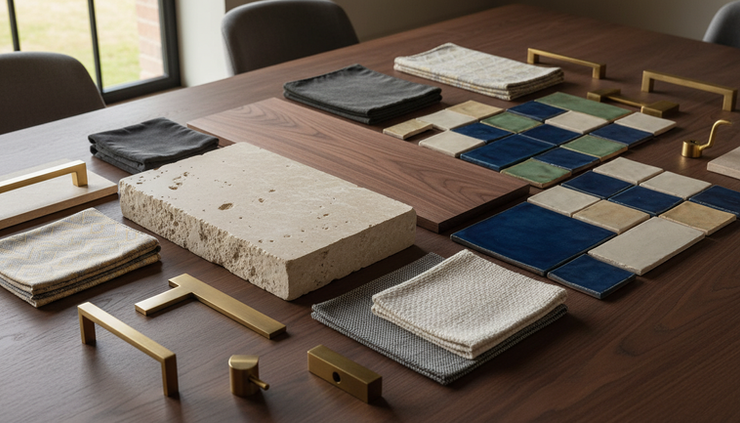
Interior selections can be exciting, but they can also overwhelm the process if they happen too late. Cabinets, tile, stone, lighting, plumbing fixtures, flooring, hardware, appliances, paint colors, and built-ins all require decisions.
The best approach is to make major selections early enough to support pricing and scheduling. Many luxury materials have longer lead times. Custom cabinetry, specialty lighting, handmade tile, natural stone slabs, and premium appliances may need to be ordered well before installation.
Good interior design is not just about appearance. It affects maintenance, durability, comfort, light, sound, and daily use.
Think about how each space will work:
Kitchen storage, prep zones, appliance placement, and cleanup flow
Bathroom lighting, shower controls, heated floors, and vanity storage
Laundry access, drying space, and utility storage
Mudroom organization, pet needs, and seasonal gear
Bedroom privacy, window treatments, and sound control
Outdoor finishes that can handle sun, rain, and temperature swings
A clear selection schedule helps protect the timeline. If tile is not selected by the time the installer needs it, the project can stall. If lighting decisions come after electrical rough-in, changes may require extra work.
This is one reason many experienced teams bring the architect, builder, and interior designer together early. When everyone understands the design intent and budget, decisions become more coordinated.
Managing changes without losing control
Changes are normal in custom home construction. The key is to manage them with documentation and clear cost review.
Some changes happen because an owner sees the space differently once it is framed. Others happen because a product is unavailable, a site condition appears, or a better solution comes up during construction.
A good builder should provide a written change order before work proceeds. That change order should explain the scope, cost, and schedule impact. Verbal approvals can create confusion, especially on complex homes with many moving parts.
Before approving a change, ask three questions:
What will this add or save?
Will it affect the schedule?
Does it change any other part of the home?
The third question is often the one people miss. Moving a window may affect exterior elevations, interior trim, electrical placement, cabinetry, and siding. In a luxury home, details connect.
The final walkthrough is more than a formality
The final walkthrough is the last major review before move-in. It is the time to inspect the home carefully, learn how systems work, and document items that need correction.
Expect to review visible finishes, doors, windows, cabinetry, appliances, plumbing fixtures, lighting, flooring, paint, exterior work, and major systems. Small touch-ups are common. A missing cabinet adjustment or paint correction does not mean the project failed. What matters is how the builder tracks and completes the punch list.
During the walkthrough, ask for guidance on:
HVAC controls and maintenance
Smart home systems
Electrical panels and shutoffs
Water shutoffs
Appliance operation
Surface care for stone, wood, tile, and specialty finishes
Warranty process and service contacts
A luxury home should come with a clear handoff. The more complex the home, the more important the owner orientation becomes. You should know how to operate the home, not just receive the keys.
What a strong building experience feels like
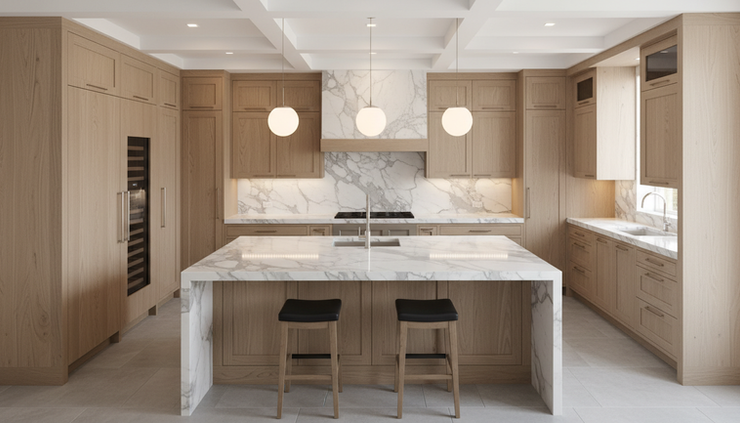
A well-run custom build feels organized, even when challenges appear. The team communicates clearly. Decisions are documented. Costs are explained. The schedule is updated. The job site is orderly. Questions get answered before they become problems.
The strongest projects usually share a few traits:
The owner defines priorities early
The builder is involved before final pricing
The architect and builder communicate often
The budget includes realistic allowances
Interior selections follow a clear schedule
Changes are reviewed in writing
Quality checks happen throughout the build
Building a luxury custom home asks for patience, trust, and attention to detail. The reward is a home that fits your life in ways a purchased home rarely can. Choose the right team, make decisions with care, and keep the process grounded in your real priorities. That is how a custom house becomes a lasting home.


Comments